Mold After a Plumbing Leak or Burst Pipe in Lily Lake, IL
Mold removed from wet walls, cabinet interiors and flooring after a pipe leak in Lily Lake. Call 24/7 to start your assessment and plan contained cleanup.
- Leak source checked first
- Contained removal and HEPA cleaning
- Moisture readings guide drying
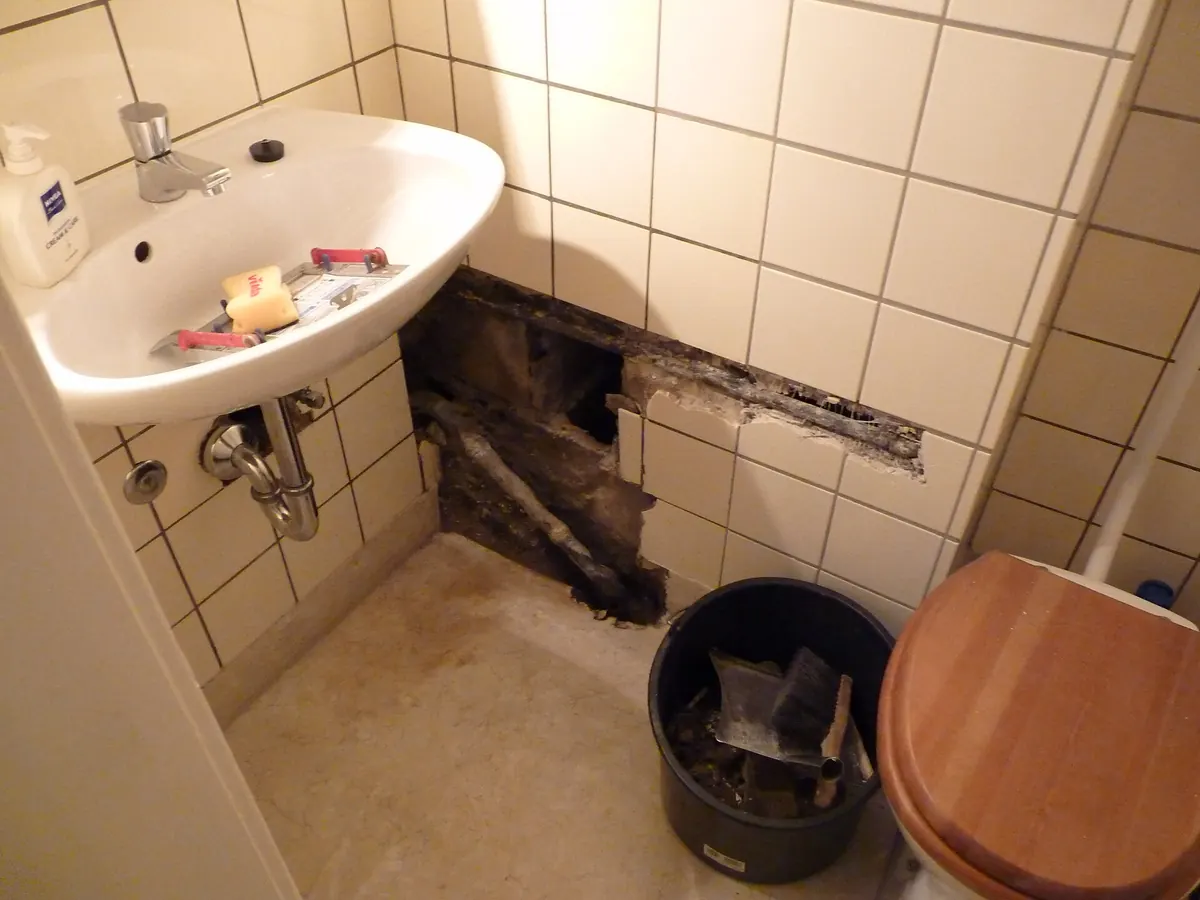
After a Plumbing Leak: Mold Cleanup Services in Lily Lake
Cleanup takes out damaged material and mold following leaks from your drain line, water heater, burst pipe or supply line. Checks look for concealed dampness in cabinets, floors and wall cavities.
Wet cabinet backing is evaluated for removal alongside damp drywall and insulation. Your assessment uses moisture mapping with leak detection to trace water under your sink and behind walls. Sound framing is then cleaned and dried.
Before cavities close, the source of water is corrected. Your scope documents the removal plan, containment and drying in writing, with any needed pipe repair or replacement finishes listed separately.
- Leak detection and moisture mapping
- Contained work for drywall removal and debris bagging
- Checking your drain line and water heater leak
- HEPA cleaning and structural drying
- Moisture readings and final checks
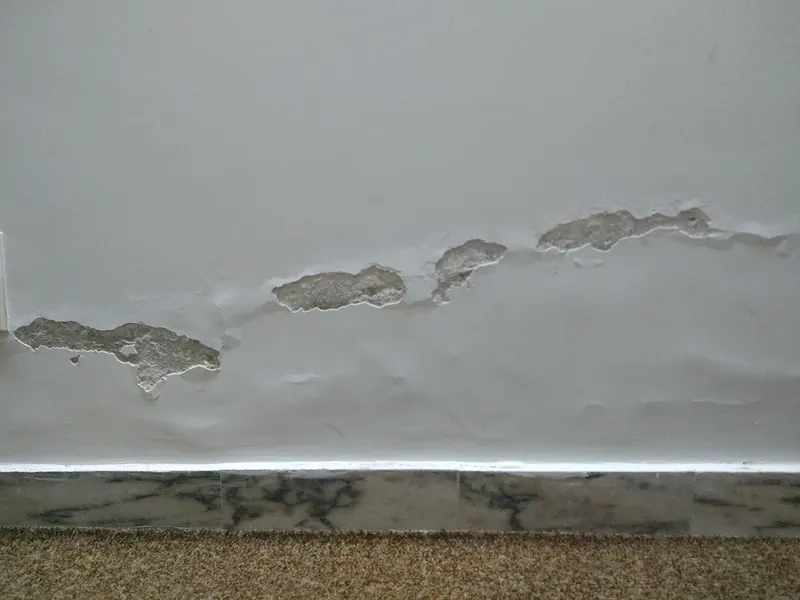
Recognizing the Need for Mold Cleanup After a Plumbing Leak in Kane County
Hidden leak damage may show up as growth, mustiness or softened finishes in your home.
After a Burst Pipe: Changes to Flooring
Flooring lifts or soft spots develop along the water path.
Mustiness After Leak Repair
An odor remains after the pipe stops dripping.
Mold Under a Sink
Your cabinet backing develops growth beside a supply line, and the edges swell.
Mold Beside a Pipe Chase
Near your plumbing, spots come back or extend along a bathroom's shared wall.
Ceiling Mold Below Plumbing
Peeling paint accompanies stains and growth beneath your upstairs fixture.
How Plumbing Leak Mold Cleanup Works
Containment and final checks are part of your cleanup along the route the water took.
Leak and Mold Assessment
Your assessment traces damage around pipes and adjoining rooms. A thermal imaging camera guides investigation without identifying mold; a moisture meter charts dampness.
Moisture Source and Scope
Cleanup proceeds after leak repair is defined. Your scope lists affected materials and access openings, plus plumbing or rebuilding tasks treated separately.
Contain the Mold Work Area
A containment barrier, together with poly sheeting, separates the work zone. Protective equipment, negative air pressure and a HEPA air scrubber limit mold spores spreading.
Remove Mold-Damaged Materials
Within containment, removal covers drywall, cabinet backing and insulation that cannot be saved. Bag debris before taking debris out; determine removal boundaries from the damage assessment.
Clean Retained Surfaces
Cleaning intact framing involves a HEPA vacuum followed by appropriate damp wiping. Antimicrobial treatment does not replace removal of mold and damaged porous materials.
Dry the Exposed Structure
Dehumidification and controlled airflow dry retained framing and floor layers. Moisture readings track structural drying while the plumbing source is corrected.
Verify and Remove Containment
Post-remediation verification covers dryness, cleaning and control of the source. An independent assessor performs any specified clearance testing before containment comes down and cavities are closed.
Why Consider Chicago Mold Removal Services for Mold Cleanup After a Plumbing Leak
Leak Source First
Your assessment follows the failed pipe's water path into flooring, walls and cabinet layers.
Contained Mold Removal
Containment and HEPA filtration limit particle spread while damaged materials leave your home.
Clear Scope Before Removal
You learn the removal limits, drying needs and repairs treated separately before any work begins.
Cleaning Through Final Checks
Clean and dry retained surfaces, then complete final checks ahead of taking containment down.
Calls Answered 24/7
One number starts your plumbing leak mold assessment across Chicagoland, including nights and weekends.
Preparing for Mold Cleanup After a Plumbing Leak in Chicagoland
Leave affected materials undisturbed and call to arrange your assessment.
- Stop Incoming Water. If safe, use your shutoff. Plumbing help may be necessary.
- Avoid Wet Electrical Equipment. Avoid water around electrical fixtures, outlets and wiring.
- Leave Mold in Place. Neither scrape the growth nor point air movers at it.
- Keep the Area Clear. Keep everyone, including pets, clear of sagging ceilings and damaged rooms.
- Leave Affected HVAC Off. EPA recommends keeping potentially mold-contaminated HVAC equipment switched off.
Plumbing Leak Mold Cleanup Cost in Lily Lake
Costs depend on how much needs removing and drying. Your scope considers any overlap in charges. Published ranges list combined damage separately from inspection and repairs to small leaks.
Combined water and mold damage
$2,700 to $10,000 per jobSource: Fixr, Mold Remediation Cost (checked 2026-10-23)Small leak repair corrects the source, leaving mold untreated
$150 to $350 per repairSource: Fixr, Mold Remediation Cost (checked 2026-10-23)Inspection only, no testing
$300 to $600 per inspectionSource: Fixr, Mold Inspection Cost (checked 2026-10-23)Your Pipe Leak Cleanup Cost: What Affects It
- Drying equipment and monitoring
- Affected area in square feet
- Separate plumbing and rebuilding work
- Duration of water intrusion
- Access behind cabinets or flooring
- Containment and HEPA filtration needs
The Price of Your Cleanup and Repairs
These published national ranges are planning figures. Your on-site assessment defines the work and price before cleanup starts, including any separate source repairs or rebuilding.
Call (844) 352-3560 about costMold After a Plumbing Leak or Burst Pipe Service Area Across Chicagoland
Call (844) 352-3560 to arrange cleanup in Lily Lake or nearby communities. One number covers the metro.
Mold After a Plumbing Leak or Burst Pipe in Locations Near Lily Lake
Answers to Mold After a Plumbing Leak or Burst Pipe Questions in Lily Lake
What does plumbing leak mold cleanup cost in Kane County?
Your price follows the affected area, access and material condition. Sourced ranges for inspection, cleanup and small leak repair appear in cost cards, each with separate units. Replacement finishes and containment, along with drying, influence the total. Included tasks are defined in your scope ahead of work.
Is testing the air necessary before or following removal?
Air sampling is not usually needed where you see visible mold, EPA says. Your cleanup area is determined through inspection and moisture checks. Check that cleaning and drying are complete before removing containment. An independent assessor carries out clearance testing when specified. Indoor mold levels have no federally established limit.
Does cleanup include fixing your plumbing leak?
Your moisture source and necessary fix are determined in the assessment. Pipe repair belongs in the work only if your scope lists the task; separate plumbing help may be necessary. After controlling the source, cleanup tackles mold. You may need more access to reach a hidden leak or frozen pipe.
Can you stay home during plumbing leak mold cleanup?
When rooms you occupy are separate from debris routes and containment, staying may be possible. Shared ventilation, water shutoff or loss of your only bathroom can make that impractical. Your assessment defines access restrictions before removal, including whether temporary arrangements are needed.
Must you remove the whole kitchen following a sink leak?
Your removal limits depend on damage and access. Swollen cabinet backing, wet drywall or flooring may come out while sound units remain. Assessment determines how far your removal extends under the sink and behind cabinets. Damage exposed during removal can change the scope.
Can mold come back once you fix the leaking pipe?
You may see mold again when damp materials remain or another moisture source continues. Pipe repair halts water flow without clearing away mold already present. Cleaning and drying accompany removal during your cleanup. Check framing you keep and hidden layers before repairs enclose those areas again.
How long does plumbing leak cleanup take in Lily Lake?
Affected materials and the path of leaking water shape your timetable. Cabinet cleaning is a different task from opening wall cavities and drying floor layers. Gauge progress using moisture readings. Access and verification, along with pipe repair, influence when finishes are replaced and your room reopens.
Insurance and Mold After a Plumbing Leak in Illinois
Your homeowners coverage rests on policy terms, the cause of damage, mold limits and your deductible. A claim for repeated seepage may have a different outcome from one involving sudden, accidental damage.
Staying Safe Around Plumbing Leak Mold in Illinois
Water source, material damage and access hazards determine cleanup precautions.
Damaged Ceilings and Floors
You need an assessment of soft flooring and sagging ceilings before entry or removal.
Mold Color
CDC cautions that mold's color is no measure of the risk. A species cannot be determined by growth's dark appearance.
Contaminated Drain Water
Choose a professional experienced in the damage involved when sewage or contaminated water is present.
Sensitive Occupants
CDC notes that mold can set off allergy symptoms and asthma symptoms in some people.
Cleanup scope: Homeowners can often clean areas under about 10 square feet, according to EPA. Get professional help for larger areas, contaminated water or affected HVAC systems.
Leak-Related Mold: Damaged Materials in Kane County
Your intact surfaces receive cleaning; damaged layers may come out.
Sound framing and subfloor
- Accessible wood is cleaned and dried when its condition allows retention.
Drywall, insulation and cabinetry
- Moldy insulation, damaged drywall and swollen cabinet backing may need removal.
Non-porous surfaces
- Clean accessible tile, metal and washable plumbing fixtures when sound.
Kane County Plumbing Leak Mold Cleanup: How Long It Takes
Moisture readings, access and how much comes out set your schedule.
- Opening concealed areas: Cabinet bases, floor layers and shared pipe chases affect access to the damage.
- Drying retained materials: Use moisture readings to monitor the drying process in exposed framing and subfloor.
- Restoring room use: When you reopen is affected by final verification and any separate repairs to plumbing or finishes.
Musty Odor After Leak Repair in Lily Lake
Persistent mustiness prompts material and moisture checks in your home. Using a dehumidifier does not take out moldy cabinet backing or stop leaking plumbing.
EPA recommends indoor relative humidity below 60 percent, ideally 30 to 50 percent. Humidity control does not replace cleanup.
Requirements for Mold Work After a Plumbing Leak in Illinois
State Mold Requirements
Illinois does not currently require mold remediation professionals to hold a state license. A Mold Remediation Registration Act (Public Act 103-0893) has passed, but the Illinois Department of Public Health says registration is not required until it finishes its rulemaking, so check its page for updates. If you are hiring someone, ask about their training and experience, and check your local contractor rules.
EPA Guidelines for Drying
EPA advises drying water-damaged areas and items within 24 to 48 hours to prevent mold growth.
Plumbing and Rebuilding Work
Your included plumbing, electrical and structural repairs determine which permits are required.
State Mold Information
The Illinois Department of Public Health Toxicology Program answers mold questions mostly by phone and email ([email protected]) and posts mold fact sheets, FAQs, and exposure tips. Onsite visits are limited to special cases.
State guidance: IDPH: Mold Remediation Registration; IDPH: Indoor Air Quality and Healthy Homes
Related Services and Next Steps
Start Your Mold After a Plumbing Leak or Burst Pipe in Lily Lake
Call 24/7 to arrange your assessment. Your cleanup starts with the affected surfaces, moisture source and access to your home.